Cotter, Arkansas, is called “the trout fishing capital of the United States”.
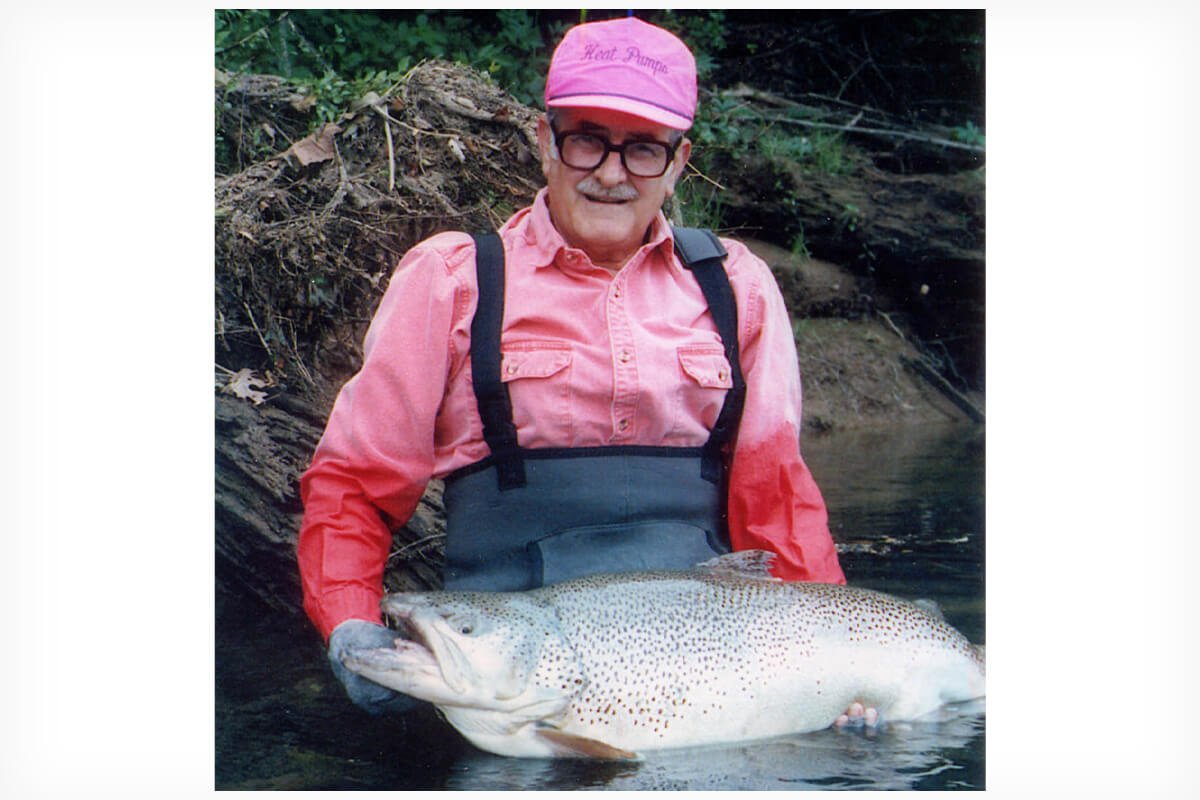
One thing is certain: the number of trout and the size of the trout in the White River and its tributaries. The White River is a tailrace fishery downstream from the Bull Shoals Dam. In 1992, “Rip” Collins caught a 40 lb. 4 oz. beast brown trout from these waters on a jig and 4lb. test line. Every year, many large trout are taken by visiting anglers.
On our trip, we stayed at the White River Inn, located on a high bluff overlooking the White River. The Inn was the Orvis-endorsed Fly Fishing lodge of the year in 2024 (a finalist in 2023). Steve and Elizabeth Sonnamaker provided an excellent experience with a comfortable lodge, friendly atmosphere, fine food, and a well-organized fishing program.
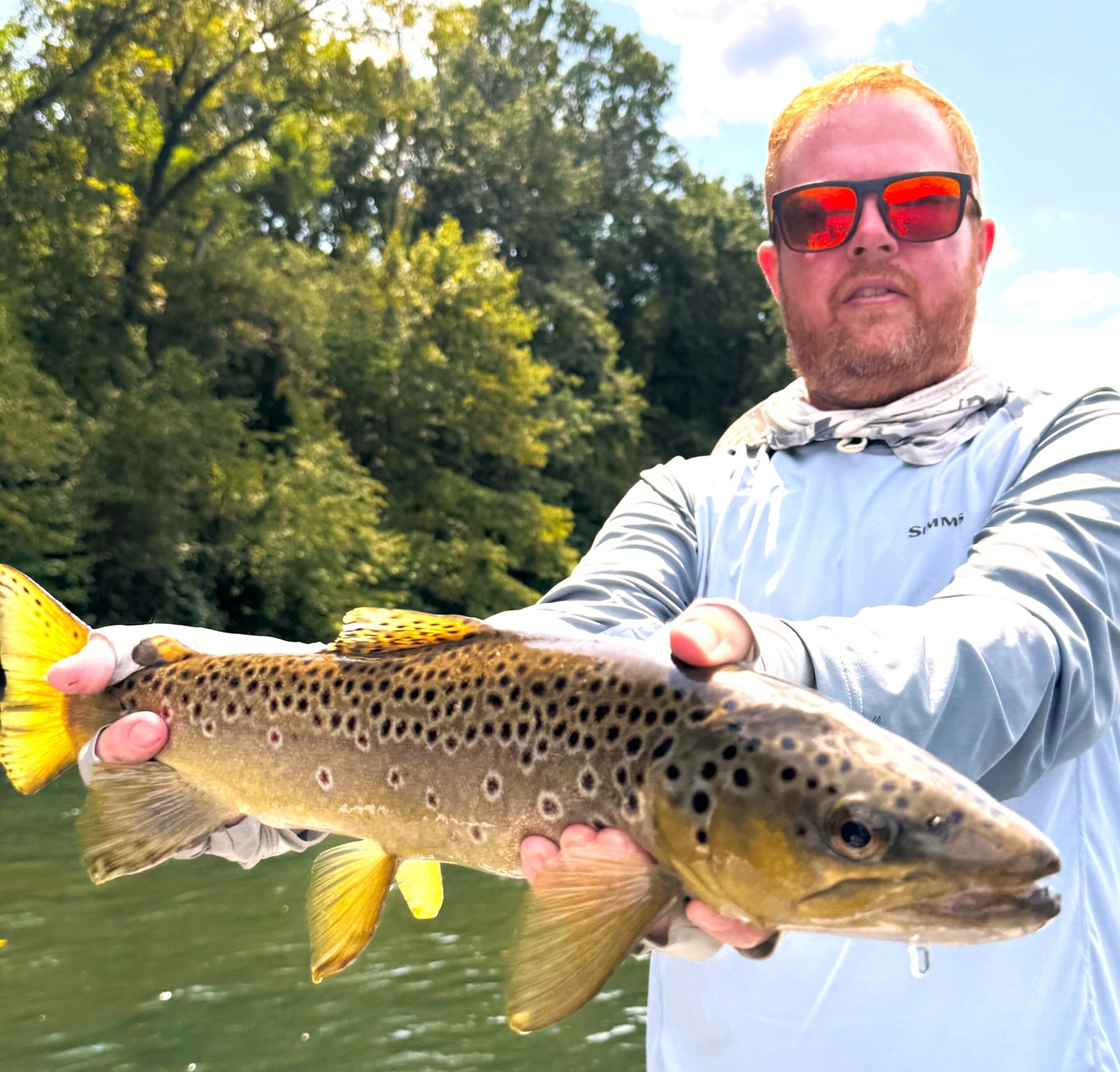
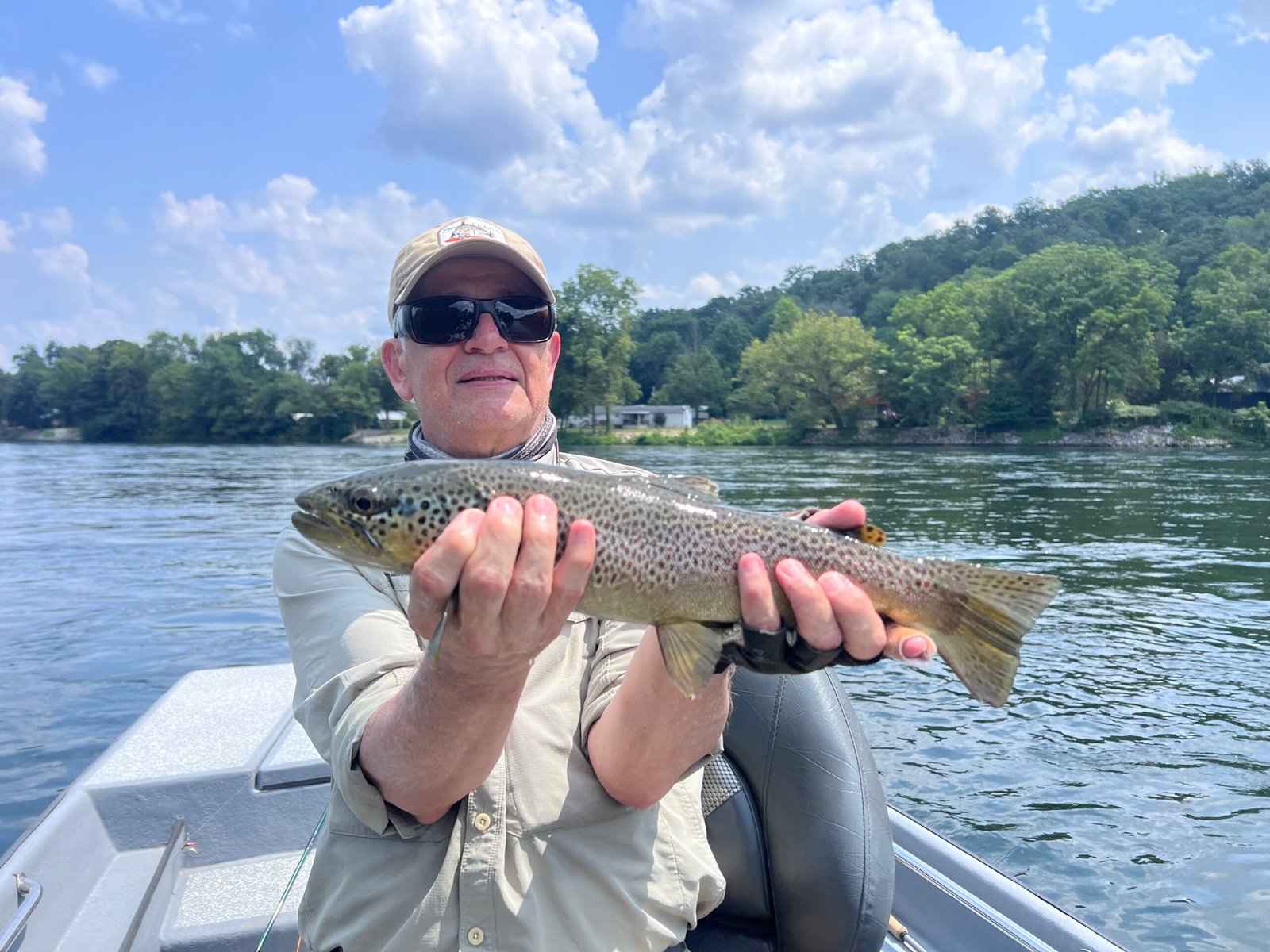
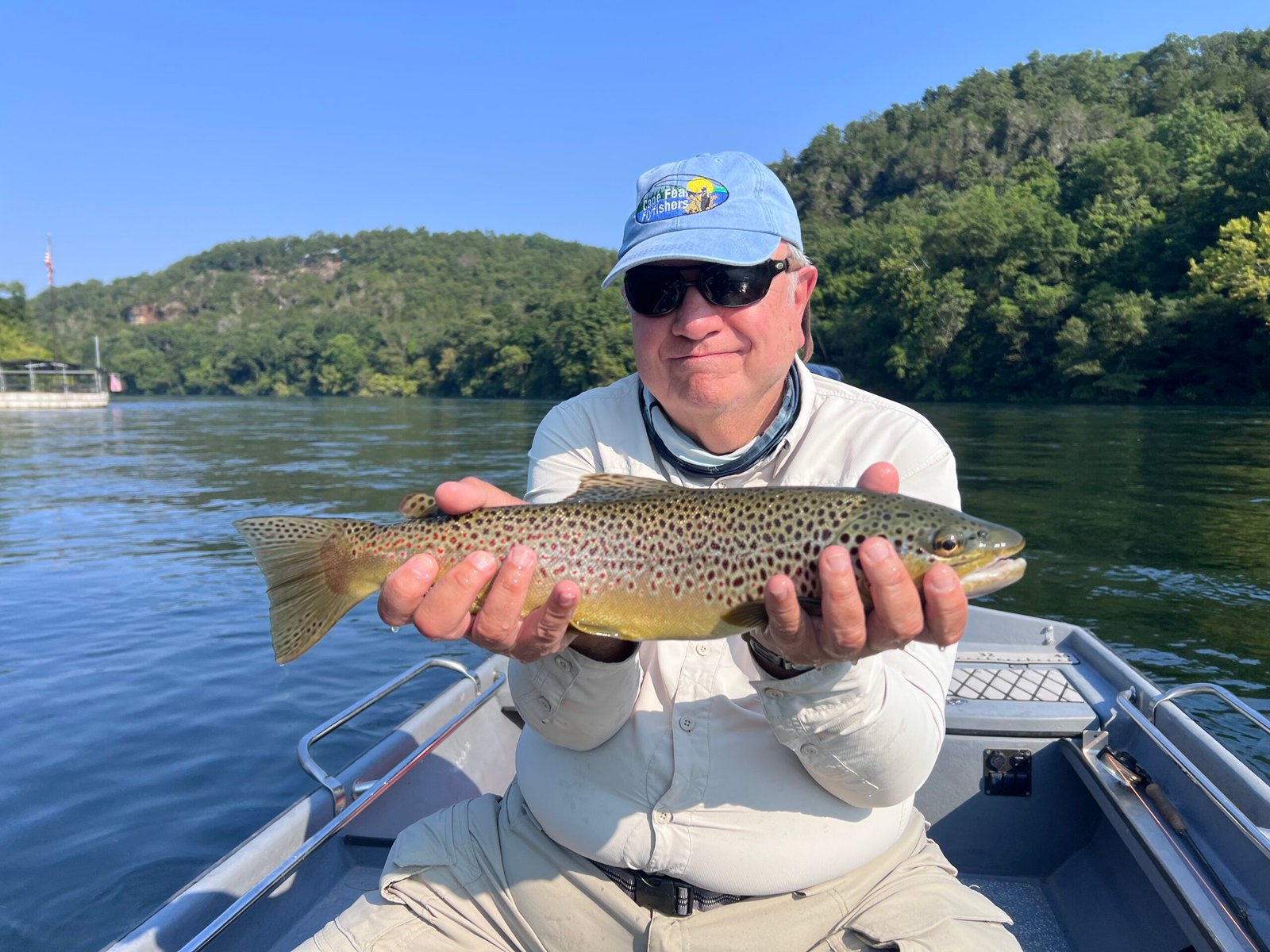
As we started fishing, we encountered high flows in the White River, ranging from 17,000 to 20,000 cfs for most of the trip due to heavy rains the prior week. The best fishing is found when the flows are about half this level. We were still able to land several decent-sized trout each day, throwing nymphs like the Girdle Bug and some smaller patterns. The technique for catching the largest fish was to pound the banks with large hopper patterns, such as Fat Alberts, to simulate cicadas falling from the trees along the banks. For those willing to commit to the effort and endure long unproductive stretches, rewards of larger trout resulted. Lodge guest Ryan landed several fine specimens employing this technique.
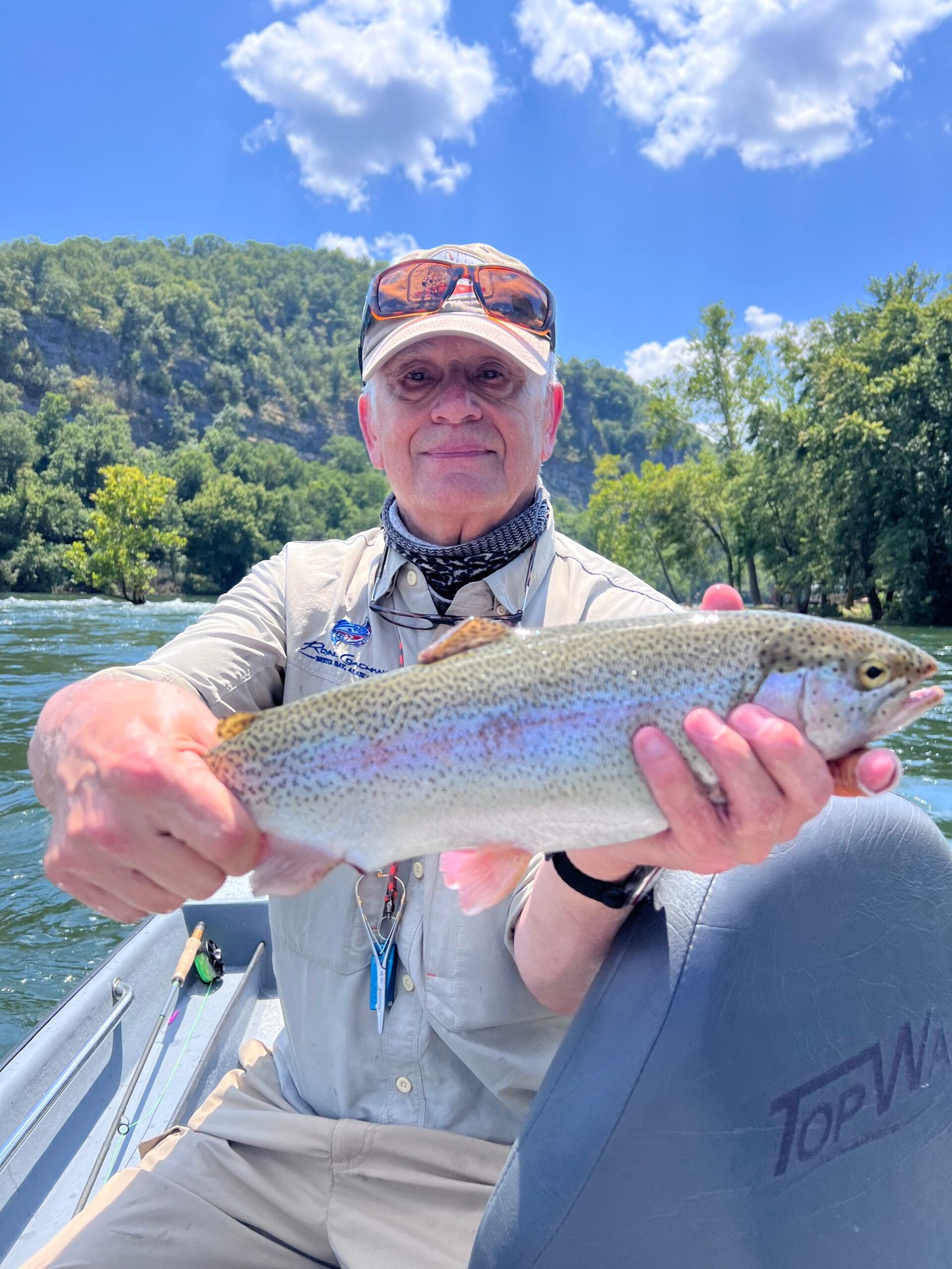
Fly fishing purists may be taken aback by the heavy stocking program on the rivers and the frequent use of spinning tackle with bait as the primary techniques on the river. Many boats could be seen chumming with corn or dead minnows. Aside from easy catches, the stocked trout also provided an easy meal for many of larger residents of the river. Other lodge guests observed a 30″ brown trout quickly dispatch a newly arrived 12″ rainbow. (I doubt it was the first time the fish had done this).
For anglers with balance issues, or difficulty standing for long periods, the jet boats offered bass boat type seats, making the long days on the river more comfortable.
The river can be fished 12 months of the year. Winter periods are very cold but offer great opportunities for large fish on streamers. May is a very productive time when the caddis hatch occurs. The fall is also very productive.
The trip was booked through International Angler at a cost of $4234 for 5 nights and 4 days of jet boat fishing. Transportation to Cotter and tips are extra.
Tight loops and tight lines,
Al